
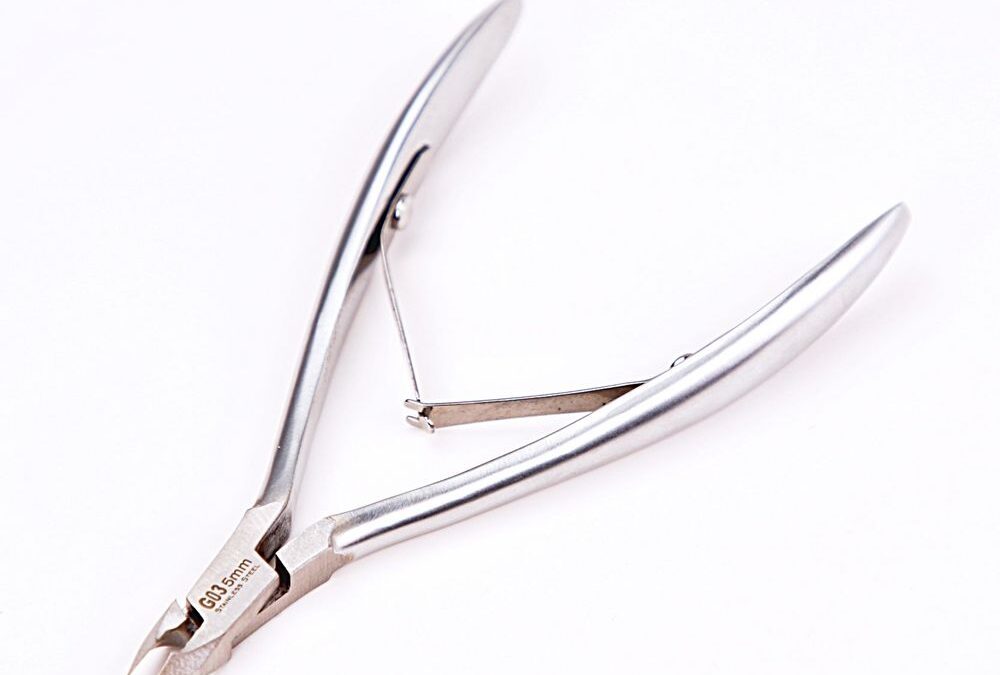
Clients notice tool condition before they notice technique. When a polished stainless steel nipper like the NT1218 G03 with a 5mm tip shows dull edges, loss of shine, or chips, it undermines our service and raises hygiene questions. We need a firm replace cuticle nippers schedule that protects clients, preserves station efficiency, and simplifies inventory decisions.
Make the tool identity part of the rulebook
Start by assigning each instrument a clear ID when it enters inventory. The NT1218 G03 5mm nipper is a distinct style: polished chrome finish, a narrow 5mm cutting tip, the jaw stamped “G03 5mm,” and a visible internal spring in the open position. Record that identity in your inventory sheet and on the tool sleeve or pouch. That single-step prevents mixing sister items and ensures we retire the exact piece we intend.
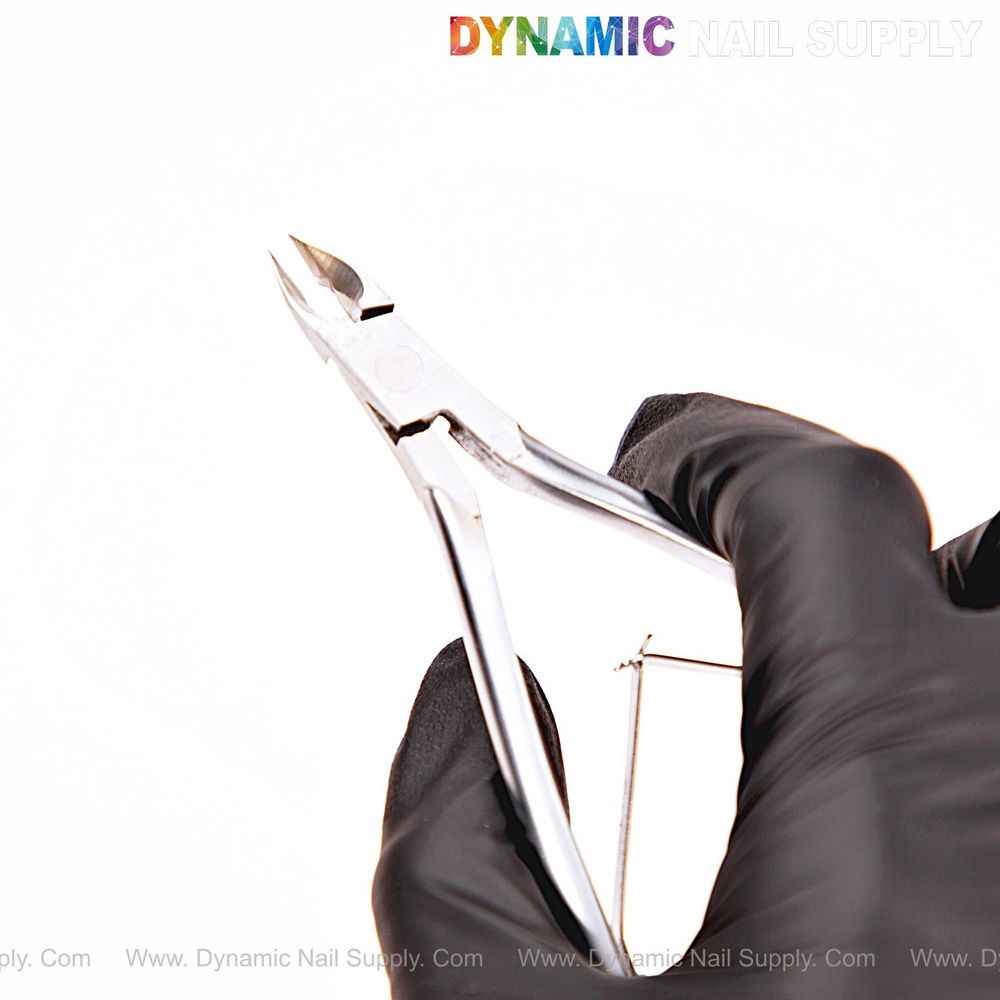
Polished chrome finish and 5mm tip shown close-up.
Set measurable usage thresholds
We recommend tracking cuticle nipper use by client count and by service type rather than time alone. Establish thresholds like:
- Light use (touch-ups, basic manicures): retire after 400–600 client uses.
- Moderate use (full mani-pedi stations): retire after 250–400 client uses.
- Heavy use (specialty or high-volume pedicure stations): retire after 150–250 client uses.
Log each use in your POS or a simple station ledger. Make the NT1218 G03 the model entry so counts map to the right jaw size and finish.
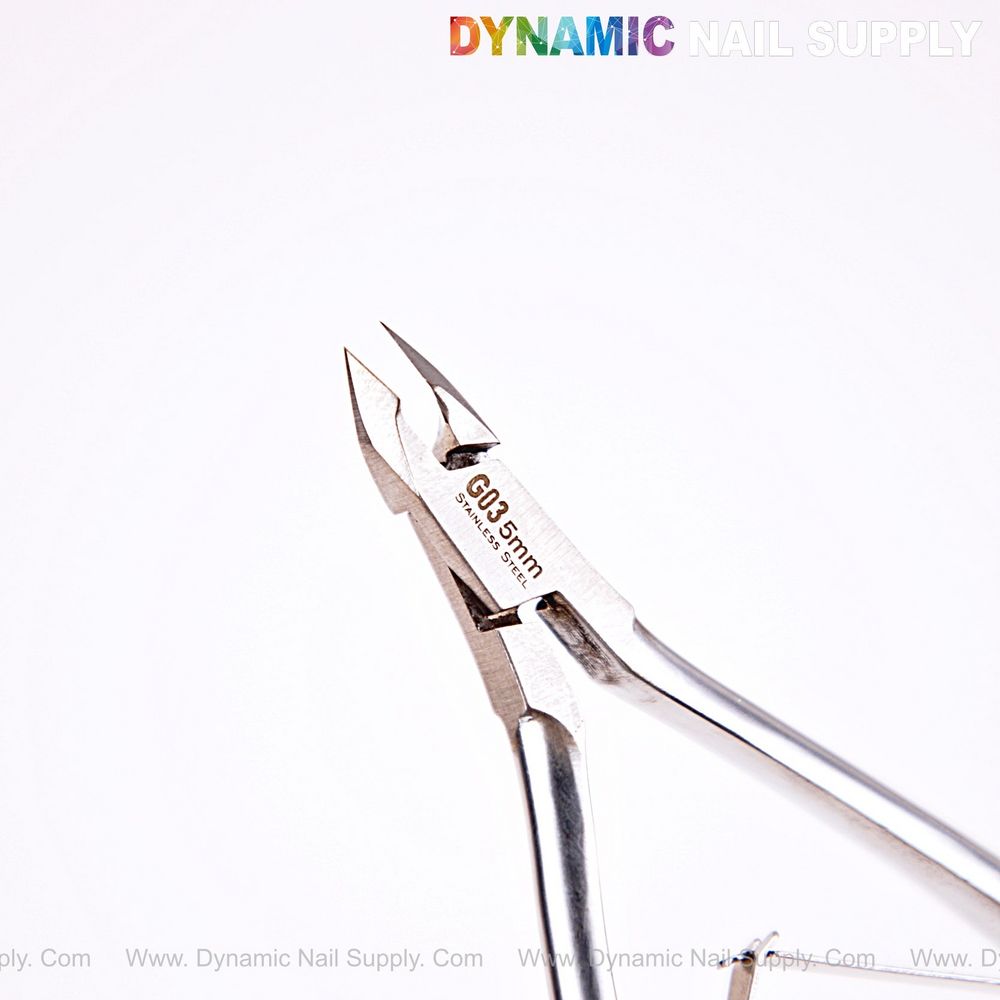
Open jaw shows hinge and engraved ‘G03 5mm’.
Watch for visible wear indicators
Visual checks are fast and actionable. We inspect tools at shift changes and after sterilization. Replace immediately if any of these appear:
- Loss of chrome polish or dull, patchy sheen on the mirror-like surface.
- Edge chips, burrs, or visible nicks on the 5mm cutting tip.
- Loose or noisy hinge; spring fatigue that alters jaw alignment.
- Corrosion spots despite correct drying and storage.
Because the NT1218 G03 is shown with a polished stainless surface in catalog shots and a magenta insert on the package, use that high-reflective look as the baseline for “service-ready” condition.
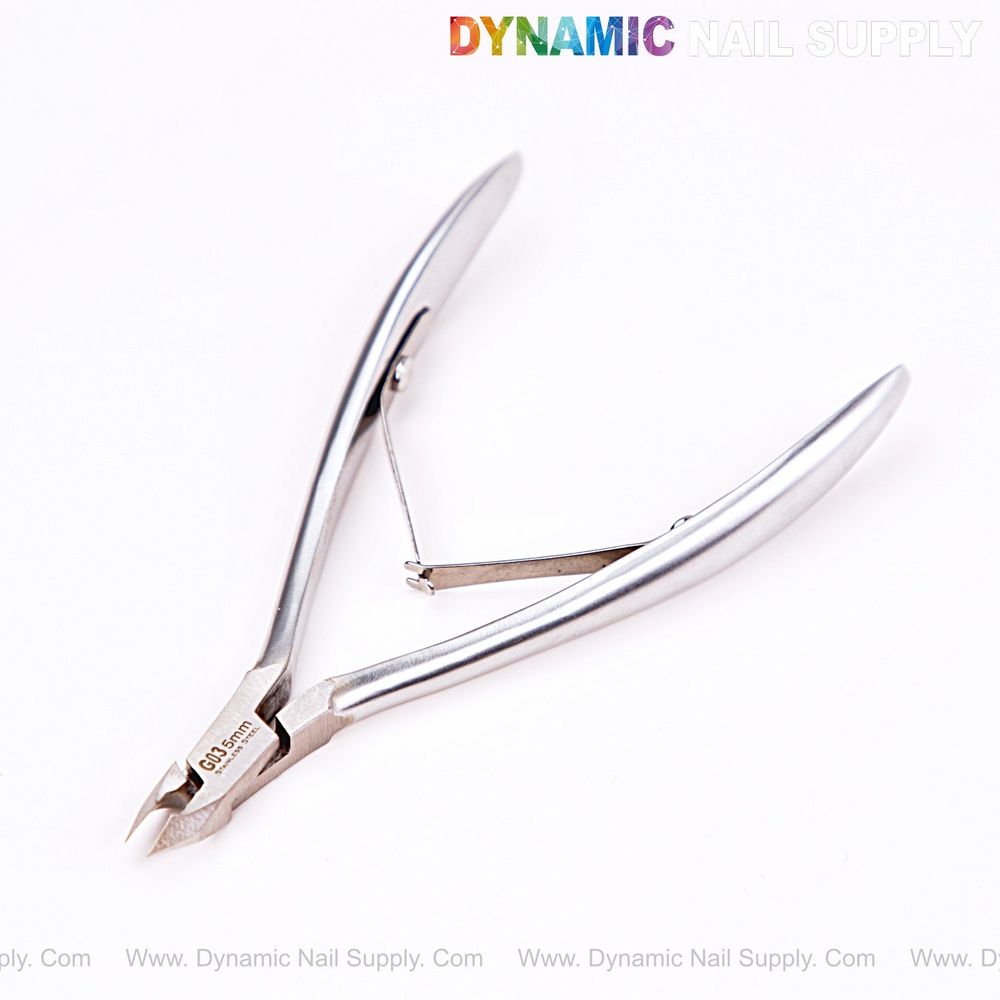
Packaged product with magenta insert and top-edge branding.
Integrate sharpening and temporary fixes into the cadence
Sharpness loss can be restored by a professional sharpening service, extending functional life. We treat sharpening as a scheduled maintenance step, not an indefinite fix. Rules we use:
- Allow one sharpening cycle per nipper between replacements.
- If cutting performance remains inconsistent after sharpening, retire the tool.
- Record sharpening dates alongside client counts so we can see true lifespan.
Sanitation and safety checkpoints
Sanitation steps are mandatory and inform replacement decisions. After each use we wipe, disinfect, dry, and inspect. Replace any instrument that shows pitting or staining after proper cleaning. Safety reminders:
- Avoid cutting live skin; replace tools that snag or pull.
- Keep a protective cap or pouch for stored tools to preserve the polished finish.
Pro tip: Use a visual tag system—green for in-service, yellow for needs sharpening, red for retire—to speed checks between appointments.
Cost model and stocking strategy
Plan replacements as a steady operating expense rather than an emergency cost. The NT1218 G03 style is priced accessibly, so bulk rotation is feasible; list the per-piece price in your inventory notes and expect variance over time. Maintain a one-month supply per station plus two spares for peak days. That keeps us from using worn tools just to hit schedule.
Pro tip: Bundle replacement planning with sterilizer servicing dates so tool turnover aligns with equipment maintenance.
Final checklist before retiring a nipper
Before you retire a tool, confirm: client count threshold met, visible wear present, one sharpening attempt documented (if used), hinge performance checked, and corrosion absent or present as cause. Mark retired units and store separately for professional sharpening or secure disposal.
For a practical reference on the exact item we recommend for stations and spares, see the product listing here:
We maintain these schedules to protect hygiene, reduce service risk, and preserve our salon image. Follow the plan and you’ll keep stations efficient and clients confident.