
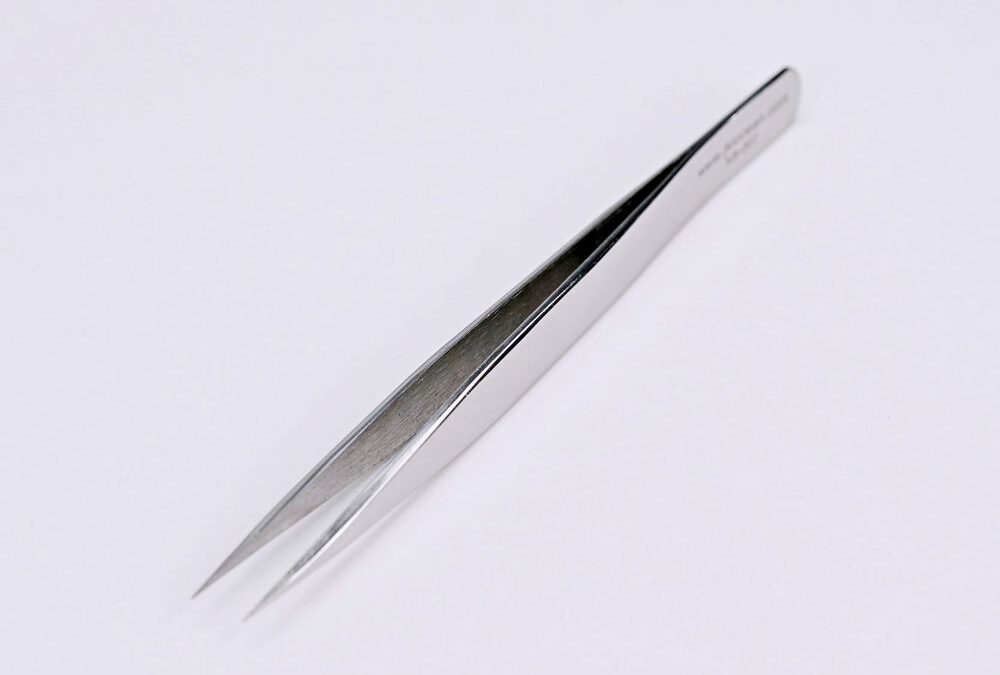
We’ve all felt the tightness after a full shift: sore wrists, cramped fingers, and fading precision during delicate isolation work. That ache still happens when we use a chrome-like silver pointed-tip stainless steel tweezer (the product card shows royal blue packaging) without a repeatable hand setup. This piece focuses on practical tweaks to grip, wrist alignment, and session pacing so technicians keep accuracy and limit fatigue.
Playful posture: set your station for steady hands
Start by treating the station like a small ergonomics lab. Position the client chair so the foot or hand you’re working on is at about chest level when you sit. Use a low, stable stool that allows both knees to make light contact with the underside of the work surface. Keep the blue-and-green product card visible as a quick visual cue for tool placement.
- Adjust chair height so your forearm lies roughly horizontal, reducing constant wrist bend.
- Place a thin towel or gel pad to raise the client’s hand or foot just enough to avoid an extreme neck or wrist angle.
- Keep the reflective silver tweezer within comfortable reach on its storage bag or under its protective cap to avoid overstretching between picks.
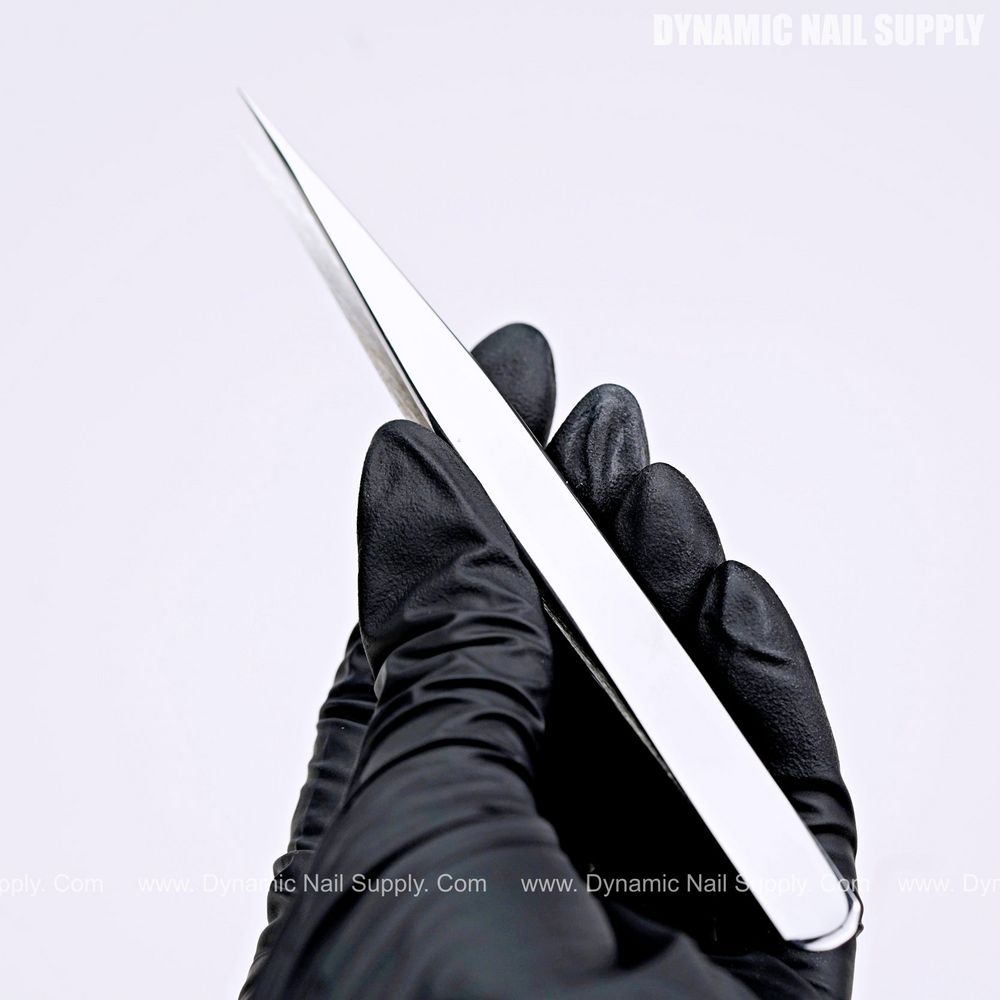
Close-up shows the precise pointed tip.
Precise grip: small changes, big difference
We recommend a light, controlled pinch rather than a tight clamp. The pointed straight tip design demands fine control; excessive force increases hand tension and reduces tactile feedback.
- Rest the tweezer handle between thumb pad and index finger, with the middle finger supporting the underside for stability.
- Hold the arms closer to the hinge when isolating a single strand; slide your grip slightly toward the tip for picking tiny items like 0.03mm lashes or tiny nail charms.
- Aim for minimal closure pressure—use the tweezer’s precise tip alignment to do the work, not your squeezing strength.
Pro tip: When you need sustained precision, alternate between supporting the hand with a pinky rest on the table and brief neutral shakes between sets to relax small muscles.
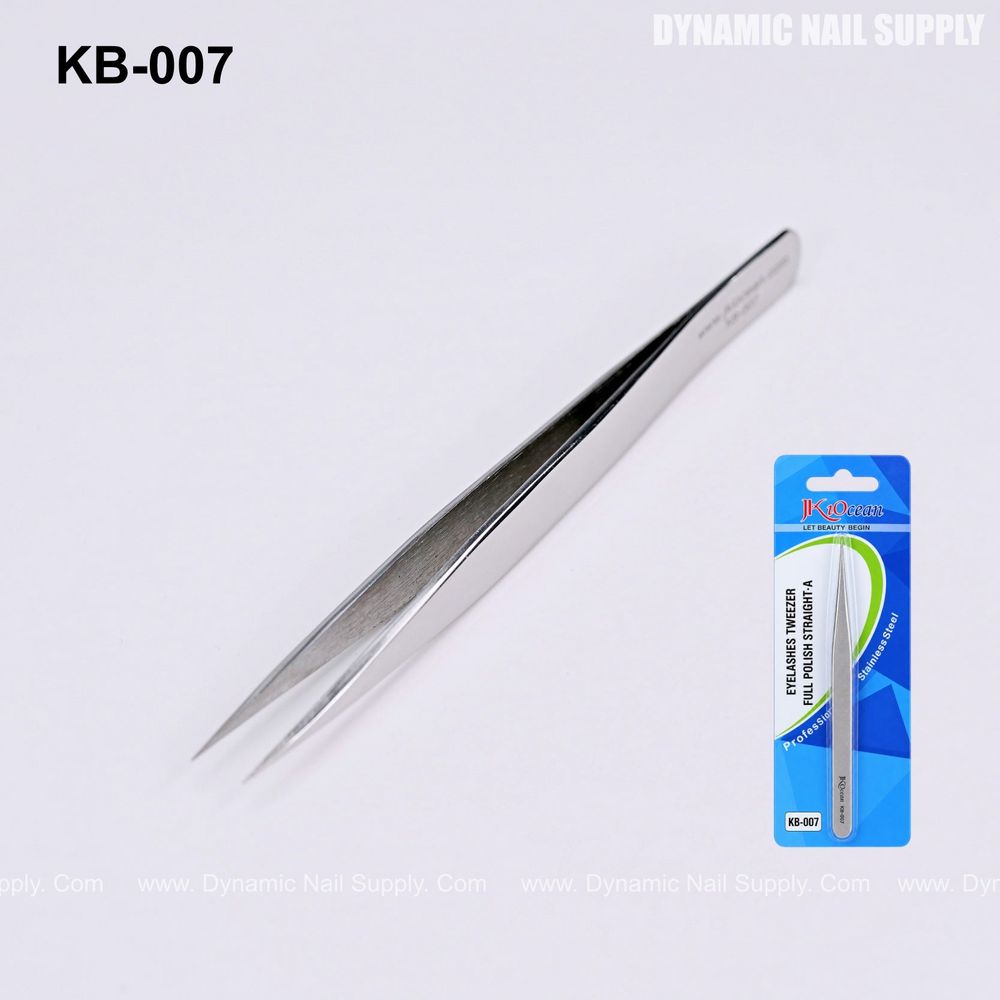
Royal blue and lime green product card visible.
Wrist alignment and micro-movements
Wrist position is the main driver of long-shift comfort. We train technicians to keep the wrist in a neutral line as much as possible and use finger joints for micro-adjustments.
- Keep the wrist straight—avoid a bent or cocked wrist for long periods. Move from the elbow or shoulder for larger adjustments.
- For micro-movements, isolate motion to the index and middle fingers to preserve stamina in the wrist and forearm.
- Rotate the client’s limb rather than twisting your wrist when you need a different angle; the straight pointed tip performs well at varied approach angles, so small client repositioning is preferable.
Pro tip: Use short, timed work blocks—25–30 minutes of focused isolation work followed by a 3–5 minute break for hand stretches reduces cumulative strain.
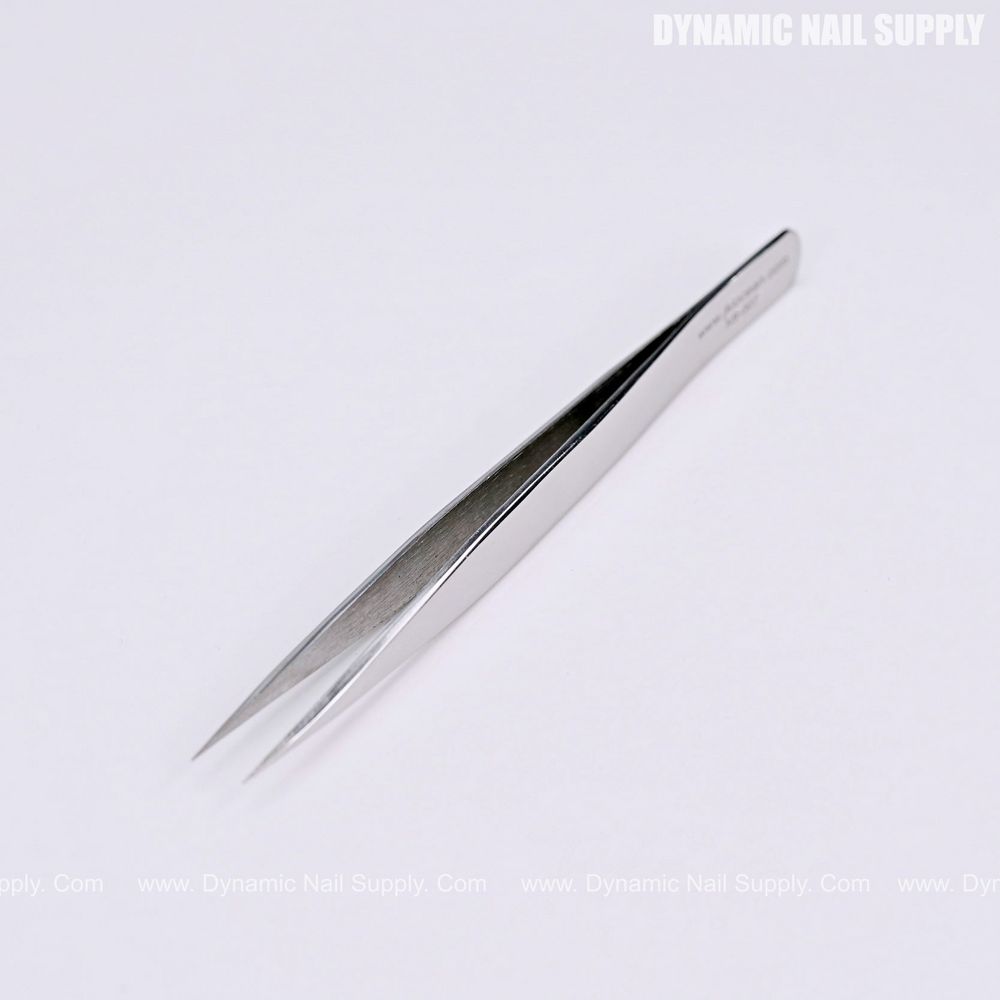
Polished chrome finish for clinical precision.
Tool care and handling that support ergonomics
The chrome-like polished finish and precise tip demand careful handling. A bent tip forces awkward compensations in hand posture and increases fatigue.
- Store each tweezer in its protective cap and bag when not in use to avoid accidental tip deformation. The royal blue packaging in the photo is a handy visual marker for the designated storage spot.
- Inspect the tip alignment at the start of each shift; tiny misalignments change how much pressure you need to apply.
- Sanitize and dry completely before replacing in its bag to preserve the stainless surface and reduce slippage during long sessions.
Session pacing and team workflow
We schedule tasks to mix high-precision isolation with lower-demand steps. Pairing a block of lash isolation with a less intensive polish or filing task lets small muscles recover without stopping productivity.
- Alternate technicians on repetitive isolation tasks when possible to avoid repetitive strain accumulations.
- Maintain a small rotation of identical tools so you can swap and allow one hand to rest briefly while the other continues—consistent tip feel preserves speed and accuracy.
Safety note: the pointed tip is sharp; avoid directing it toward skin or clients during idle handling and keep it capped when walking around the salon.
We use these positioning habits specifically with the Sliver Isolation and Individual Lashes design to keep the polished stainless tip doing the precise work without your hands paying the price. Integrate these tweaks into your routine and you’ll notice steadier picks and less end-of-shift stiffness.
Keep practicing the small adjustments—your hands are your instruments, and small alignment changes preserve both precision and comfort. We’re confident these steps will help you work longer and more accurately.
For safer storage and to avoid awkward positioning, keep the eyelash tweezer silver pointed capped and in its storage bag between clients.